What Google Actually Confirmed in August 2026
· 6 min read
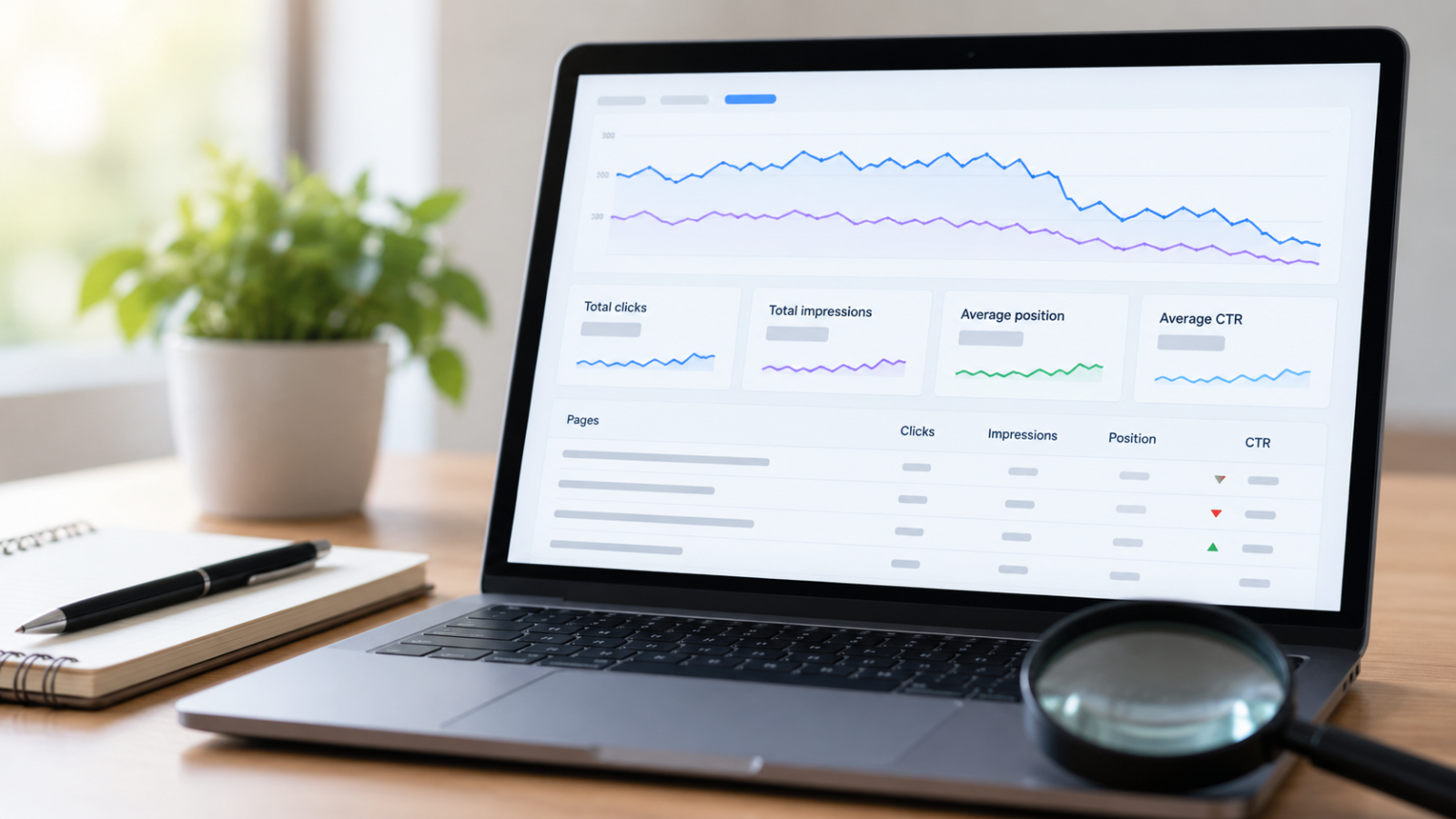
August 2026 created a familiar problem for SEO teams: ranking trackers showed sharp movement, while Google’s official update history told a narrower story. That distinction matters. When a traffic chart falls, the first job is not to name an algorithm update. It is to establish what actually changed.
As of 13 September 2026, Google’s Search Status Dashboard lists an August 2026 spam update, but it does not list an August 2026 core update. The confirmed spam update began on 18 August and ran for 2 days and 16 hours. It applied globally and to all languages.
The confirmed 2026 Google update timeline
Google’s Search Status Dashboard currently records these 2026 ranking events:
- 5 February: February 2026 Discover update
- 24 March: March 2026 spam update
- 27 March: March 2026 core update
- 21 May: May 2026 core update
- 24 June: June 2026 spam update
- 18 August: August 2026 spam update
- August 2026 core update: not listed on Google’s current ranking history
The official ranking history records the August spam update as 2 days and 16 hours, and the 2026 core updates in March and May. Google Search Status Dashboard
What happened in early August?
This is where the August story became confusing. Third-party monitoring tools showed elevated ranking volatility beginning around 1 August and continuing into 3 August. Search Engine Roundtable reported that SEO tracking tools were showing a spike and that the SEO community was discussing significant ranking movement. Google had not confirmed a ranking update for those dates.
Search Engine Roundtable reported the 1 to 3 August volatility here: August 1 to 3 ranking volatility.
At almost the same time, other Google reporting and advertising systems were producing their own signals. On 4 August, Google Ad Manager experienced a disruption that produced errors and high latency. There were also complaints about GA4 real-time reporting, although Google did not record an Analytics incident for that day. These are different systems with different failure modes. A publisher watching revenue, analytics and organic traffic in one dashboard could easily interpret several unrelated movements as one Google Search update.
Search Engine Watch documented the August 4 reporting complaints and separate Ad Manager disruption: Search Engine Watch analysis.
That is the useful lesson from early August. Search volatility was real and observable. It simply was not the same thing as a confirmed Google ranking update. The August spam update came later, beginning on 18 August and finishing on 21 August. Google’s dashboard records the rollout as 2 days and 16 hours.
Google’s ranking history confirms the timing and duration.
Why the distinction matters
Calling every unexplained movement a core update creates a bad diagnosis. It can send a team into a content rewrite when the real problem is seasonality, tracking, technical availability, SERP changes, a site migration, or a different Google system.
Google’s core update guidance describes core updates as broad changes to Search’s ranking systems. Google’s guidance also recommends assessing the overall effect of a core update rather than assuming that a single page movement proves a quality problem.
Read Google’s core update guidance.
A practical way to diagnose a traffic drop
Start with the official event timeline
Check Google’s Search Status Dashboard before calling an event a core update, spam update or other confirmed ranking incident. If the date of your traffic drop does not overlap a confirmed event, describe it as ranking volatility until the evidence supports something more specific.
Separate the measurement systems
Search Console, analytics, server logs and revenue systems answer different questions. Search Console is closest to Google’s search performance data. Server logs show whether requests actually reached your site. Analytics depends on tracking implementation and reporting. Revenue adds another layer.
If Search Console impressions fall, analytics sessions fall and server traffic falls at the same time, you have a stronger signal than an isolated analytics dip. If only one reporting system changes, investigate that system before changing SEO strategy.
Use a worked example
Imagine a page normally receives 10,000 Search Console impressions a week and 500 clicks. After a volatile period, impressions remain around 10,000, average position stays broadly similar, but clicks fall to 350. That is a 30% click decline without a comparable visibility decline. The next question should be what changed on the results page: AI features, ads, SERP features, intent, competitors, or click behaviour. Rewriting the page solely because clicks fell would be premature.
Now consider the opposite. Impressions fall from 10,000 to 6,000, average position declines across the same query group, and several competing pages gain visibility. That pattern deserves a ranking and content investigation. It still does not prove a particular algorithm update caused it.
What to measure and what to judge
Measure these signals
- Search Console impressions
- Search Console clicks
- Average position by query and page group
- CTR changes
- Analytics sessions and conversions
- Server availability and response errors
- Indexing, crawl and technical changes
Then judge these questions
- Did search demand change?
- Did the search results page change?
- Did competitors replace your page?
- Did search intent change?
- Did the page become less useful or less complete?
- Did a technical or tracking change happen at the same time?
What to do after the diagnosis
Do not rewrite an entire site because a tracker moved. Start with the pages and query groups that show a consistent decline. Review the search results. Compare competing pages. Check whether the page still answers the user’s current intent. Then make changes tied to evidence.
For content, focus on substance rather than keyword repetition. Add information that is genuinely useful, improve clarity, strengthen evidence, remove filler and make relevant expertise visible. For technical SEO, verify crawling, indexing, canonicals, redirects, internal links and server behaviour.
If a confirmed spam update affected a site, review Google’s spam policies and the site’s practices before assuming that more content will solve the problem. Google’s August 2026 update was global and applied to all languages, but Google did not publish a new named spam policy with the rollout.
What this means for SEO teams
August 2026 is a good reminder to separate three things: confirmed Google updates, unconfirmed ranking volatility and measurement problems. They can happen close together without having the same cause.
The official record is clear as of 13 September 2026: Google lists an August 2026 spam update beginning 18 August. It does not list an August 2026 core update.
Verify the current ranking history on Google’s Search Status Dashboard.
For Zearch Digital, that distinction is central to how we approach SEO diagnosis. We start with the evidence in Search Console and other first-party data, then connect the pattern to content, technical SEO and the search results. The goal is not to guess which update caused a drop. It is to identify what changed and what can be improved.
Frequently asked questions
Was there a Google core update in August 2026?
As of 13 September 2026, Google’s official ranking history does not list an August 2026 core update. It lists an August 2026 spam update that began on 18 August.
When did the August 2026 spam update run?
Google’s Search Status Dashboard records the August 2026 spam update as beginning on 18 August 2026 and lasting 2 days and 16 hours. It applied globally and to all languages.
Why did rankings move in early August if there was no confirmed update?
Third-party tracking tools and SEO practitioners reported ranking volatility around 1 to 3 August. That movement was observable, but Google had not confirmed a ranking update for those dates.
What should I check after a traffic drop?
Compare Search Console impressions, clicks, CTR and position with analytics, server logs, technical changes, search demand and the current search results. Establish the pattern before changing the site.
Sources
- Google Search Status Dashboard, Ranking history
- Google Search Central, Core updates
- Search Engine Roundtable, August 1 to 3 ranking volatility
- Search Engine Journal, August 2026 spam update completion
- Search Engine Watch, August 2026 Google algorithm volatility
About the author
Amit Dubey is the Founder of Zearch Digital, a digital marketing agency focused on SEO, AEO, content marketing and performance marketing. He works with businesses on organic search visibility, AI search visibility and digital acquisition strategies.